What is Bauxite?
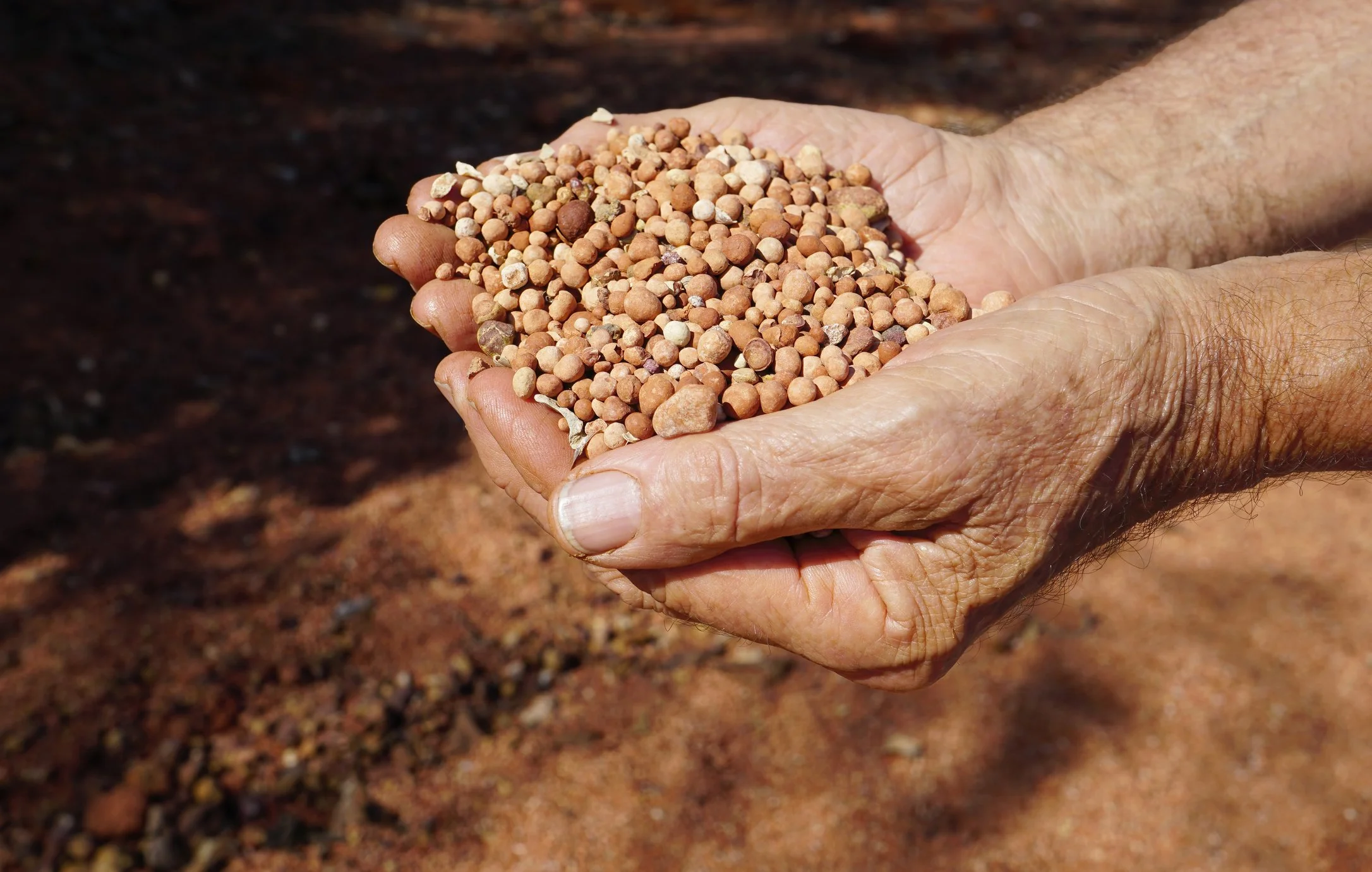
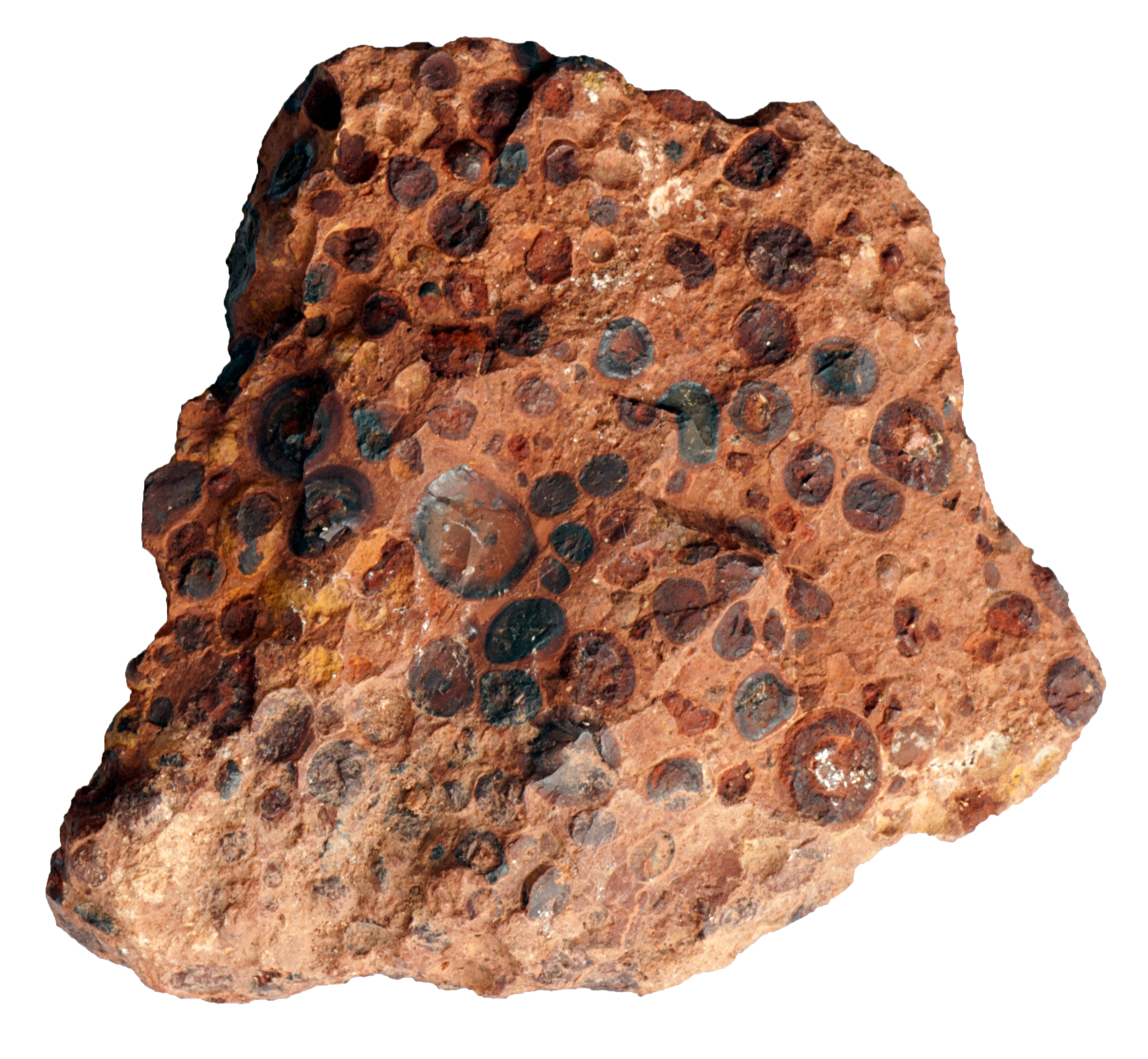
Bauxite is the primary ore for aluminium, which is the most abundant metallic element in the Earth’s crust. From the aluminium oxide which is present in bauxite, we can produce aluminium for a range of contemporary industries, technological advancements, and global decarbonisation initiatives.
Bauxite is predominantly found in tropical and subtropical regions, including Africa, the Caribbean, South America, and Australia. Australia stands as one of the leading producers globally, with five major mines contributing approximately 30 percent of the world's production.
How is Bauxite mined?
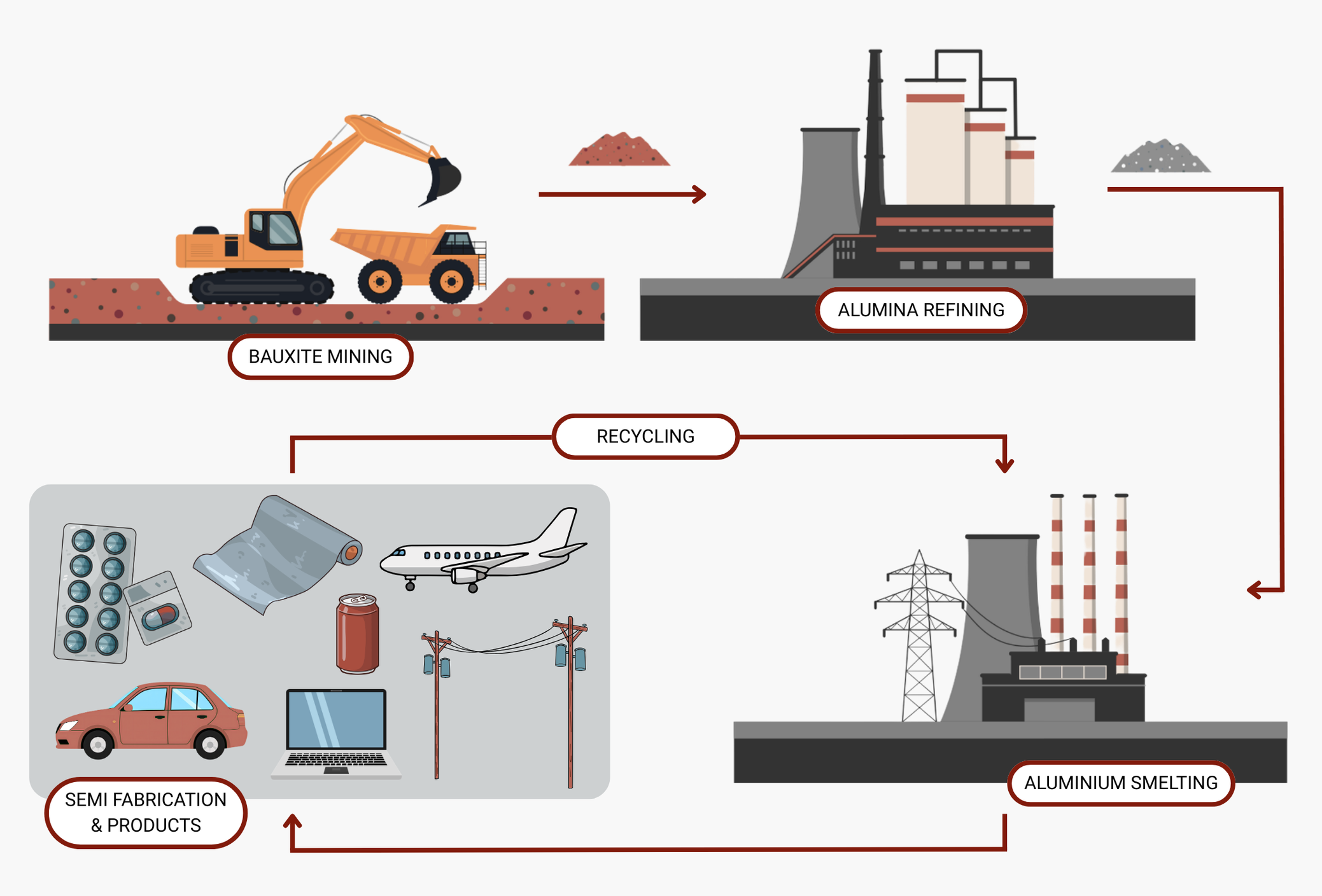
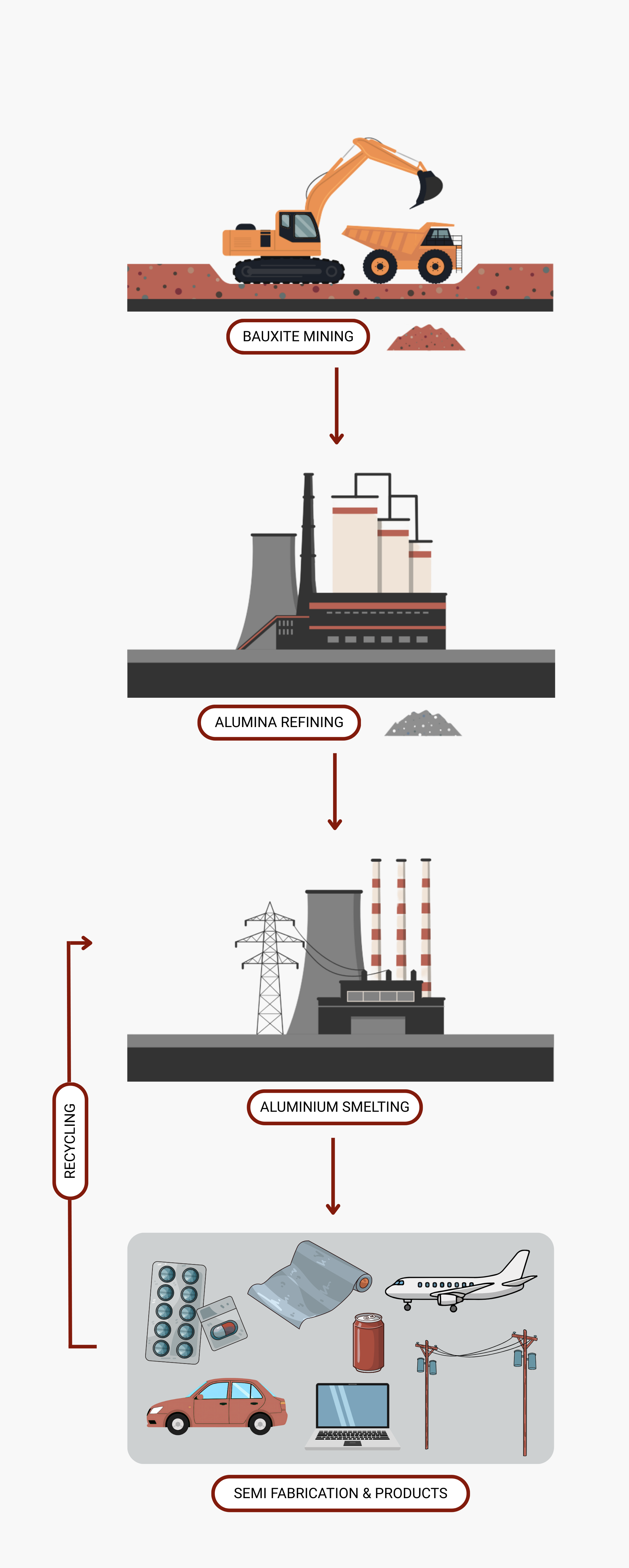
Mined bauxite ore undergoes refinement to produce alumina, which is subsequently smelted to extract aluminium metal. This aluminium can then be moulded into various semi-fabricated or finished products for use in a multitude of sectors.
There are 5 main steps in the mining process:
Step 1: Pre-Mining Surveys
Pre-Mining Surveys are carried out in all newly designated mining areas to gather information on local flora and fauna, assess the spread of diseases like dieback, and pinpoint significant cultural heritage sites. If rare or protected species, as well as important sites, are identified, measures are taken to avoid them or management plans are created to minimize the potential impact of mining activities.
Step 2: Excavation & Mining
Scrapers and small excavators are utilized to eliminate the leftover overburden and reveal the caprock. Depending on how deep the caprock is, it may be broken apart through blasting or simply removed using scrapers and excavators.
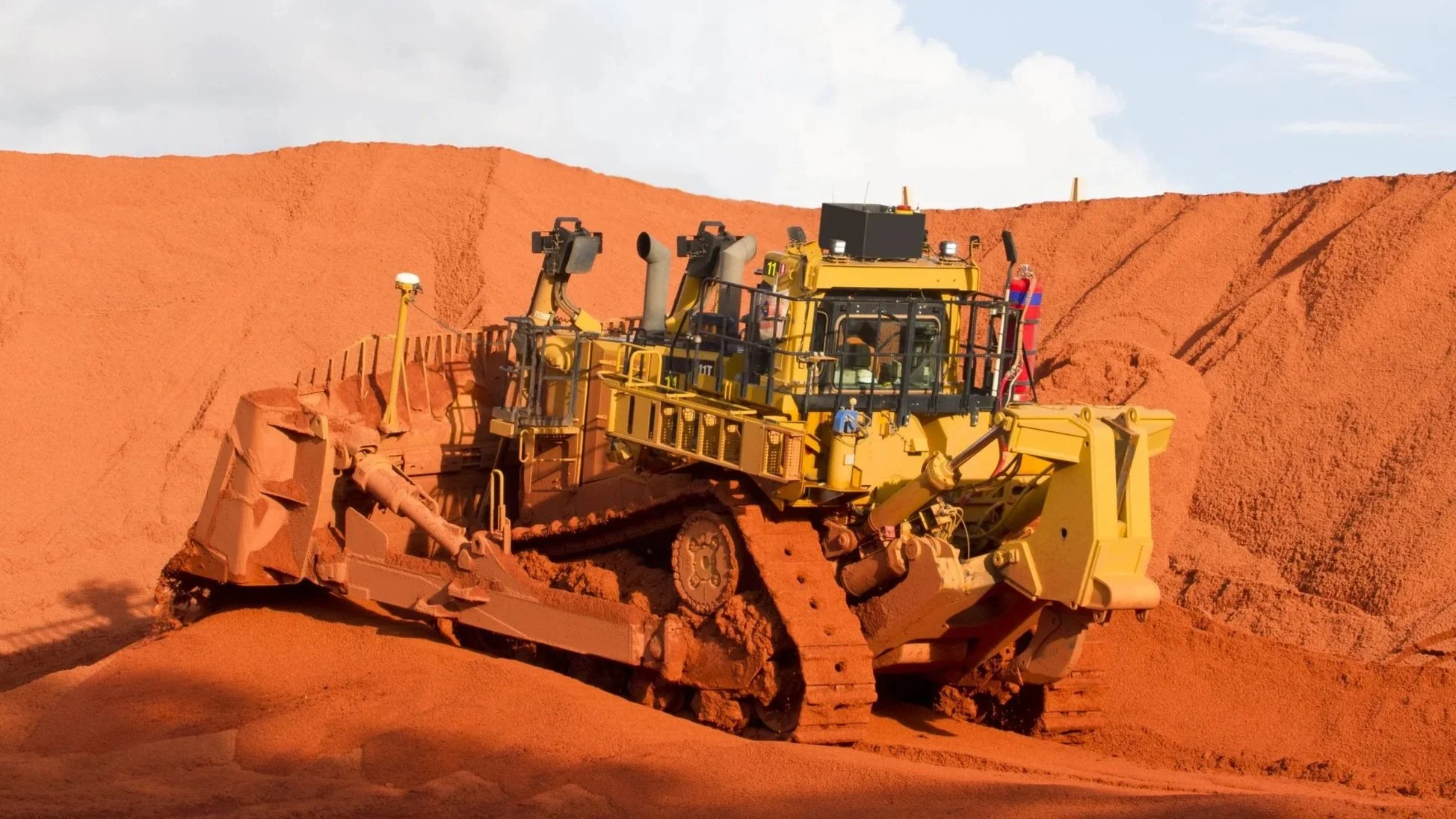
Next, bauxite is mined with excavators or loaders, which load the material onto haul trucks for transport to the crusher. To ensure a consistent ore grade, multiple pits are typically mined at the same time.
Step 3: Crushing
A crusher is used to break the ore down to a smaller size suitable for transport. The crusher is made up of a number of components that include a vibrating screen, a jaw crusher and sizers. Fine material drops through the vibrating screen while larger material passes over the screen to the jaw crusher that breaks up the large rocks.
The material that passes through the vibrating screen and jaw crusher is collected and passed through the sizer that further reduces the size of the material before it is transported via conveyor or ship to a refinery. The final size of the crushed bauxite ore is approximately 7.5cm or less in diameter.
Step 4: Transport
The crushed bauxite is conveyed through conveyor belts and railway systems, directing it either to the refinery or the shipping terminal.
Step 5: Rehabilitation
After the mining process, the edges of the pit are refined for a smoother finish. Topsoil and overburden are reinstated to the area, and the land is carefully prepared to prevent soil erosion while facilitating seeding and planting. Additionally, the logs and rocks that were set aside during the clearing phase are returned to create habitats and nesting sites for wildlife.
How does bauxite become aluminium?
Mined bauxite ore undergoes refinement to produce alumina, which is subsequently smelted to extract aluminium metal. This aluminium can then be moulded into various semi-fabricated or finished products for use in a multitude of sectors, before being recycled and made into new products.