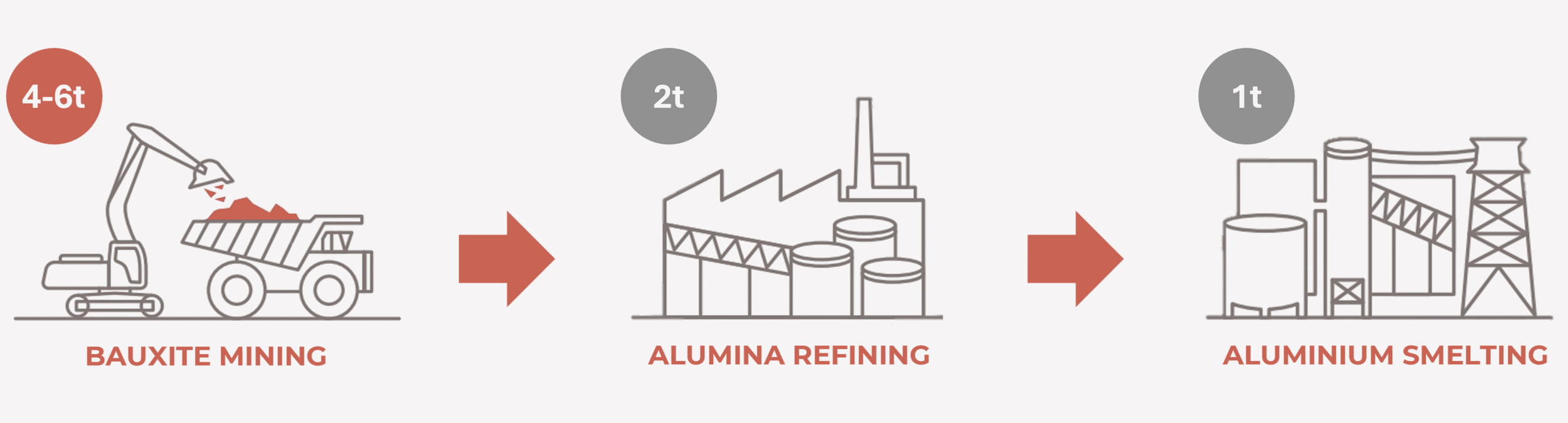
Why does Bauxite matter?
Bauxite serves as the main raw material for aluminium, a vital metal in contemporary industries, national security, technological advancement, and global decarbonisation initiatives.
Mined bauxite ore undergoes refinement to produce alumina, which is subsequently smelted to extract aluminium metal. This aluminium can then be moulded into various semi-fabricated or finished products for use in a multitude of sectors.
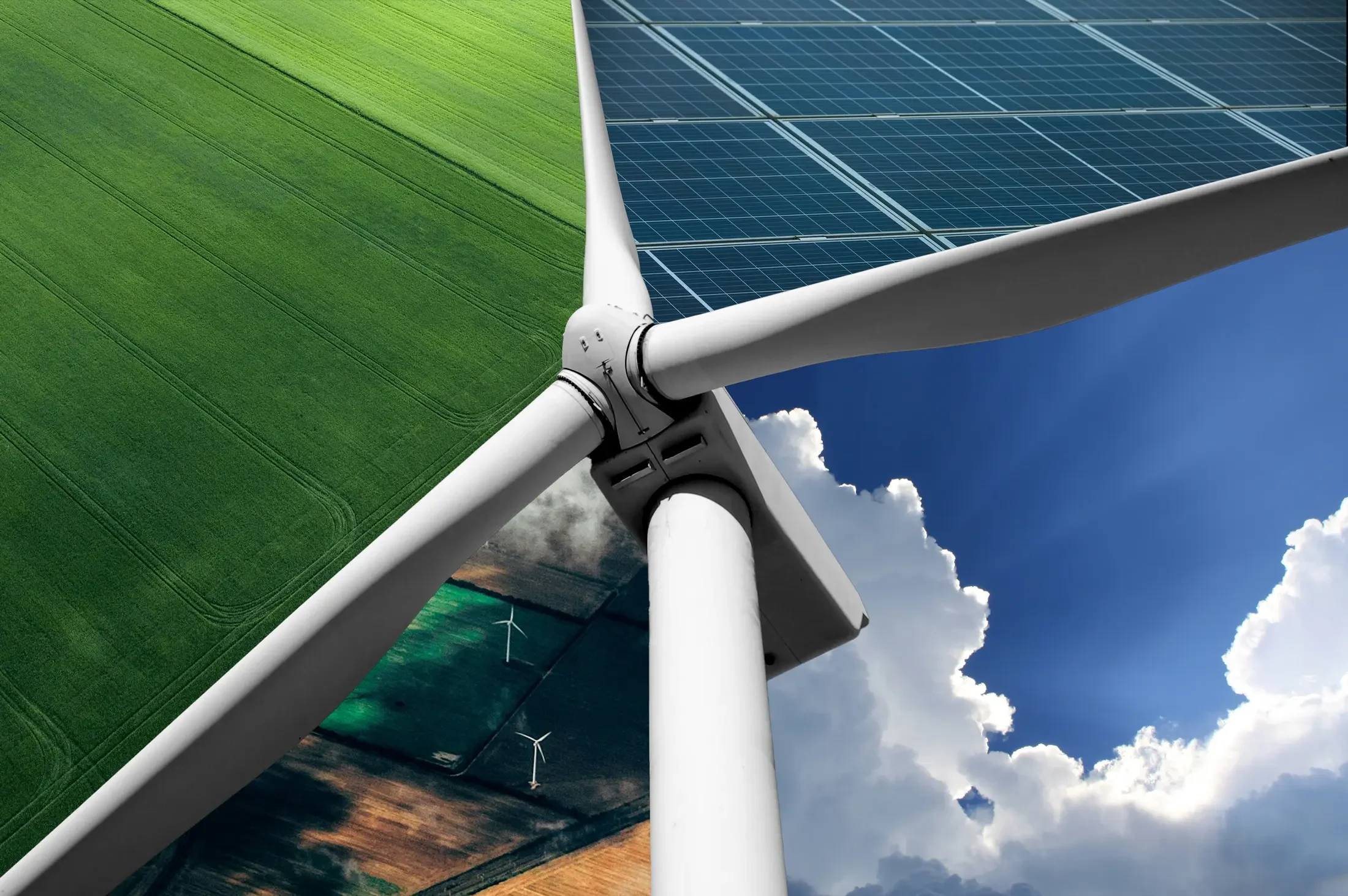
Renewable Energy Generation
Green energy sources significantly depend on aluminium, which is essential for both energy generation infrastructure and storage technologies such as solar panels, wind turbines, hydroelectric power, and electric vehicles (EVs).
Bauxite serves as an aluminium ore and is the principal source of aluminium. Through a chemical method known as the Bayer process, bauxite is refined into alumina. Australia stands as the leading global producer of bauxite.
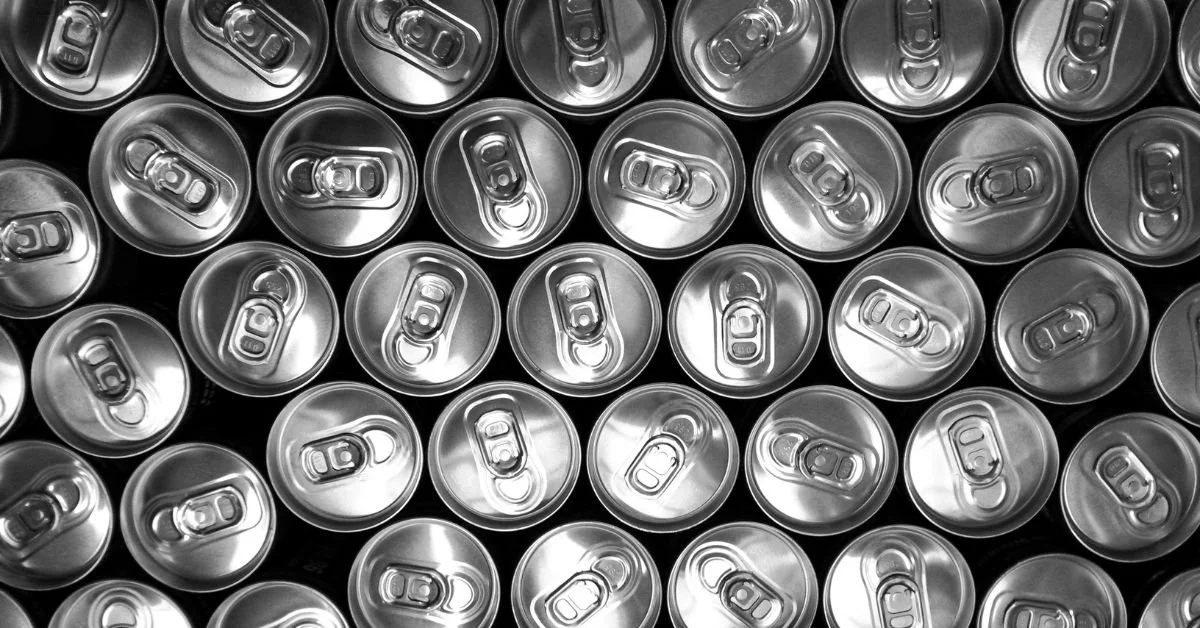
Sustainable Packaging & Consumer Products
About 75% of all aluminium ever produced is still in circulation today, as it can be recycled indefinitely without losing any of its distinctive qualities or properties.
This makes aluminium an outstanding alternative to plastic for packaging in products such as cans, foil, and other single-use items.
Alumina, commonly known as aluminium oxide or Al₂O₃, is an inert, non-toxic, odorless, and tasteless fine white abrasive sand. This compound is extracted from bauxite through the Bayer process and is then supplied to smelters both locally and globally for conversion into aluminium metal.
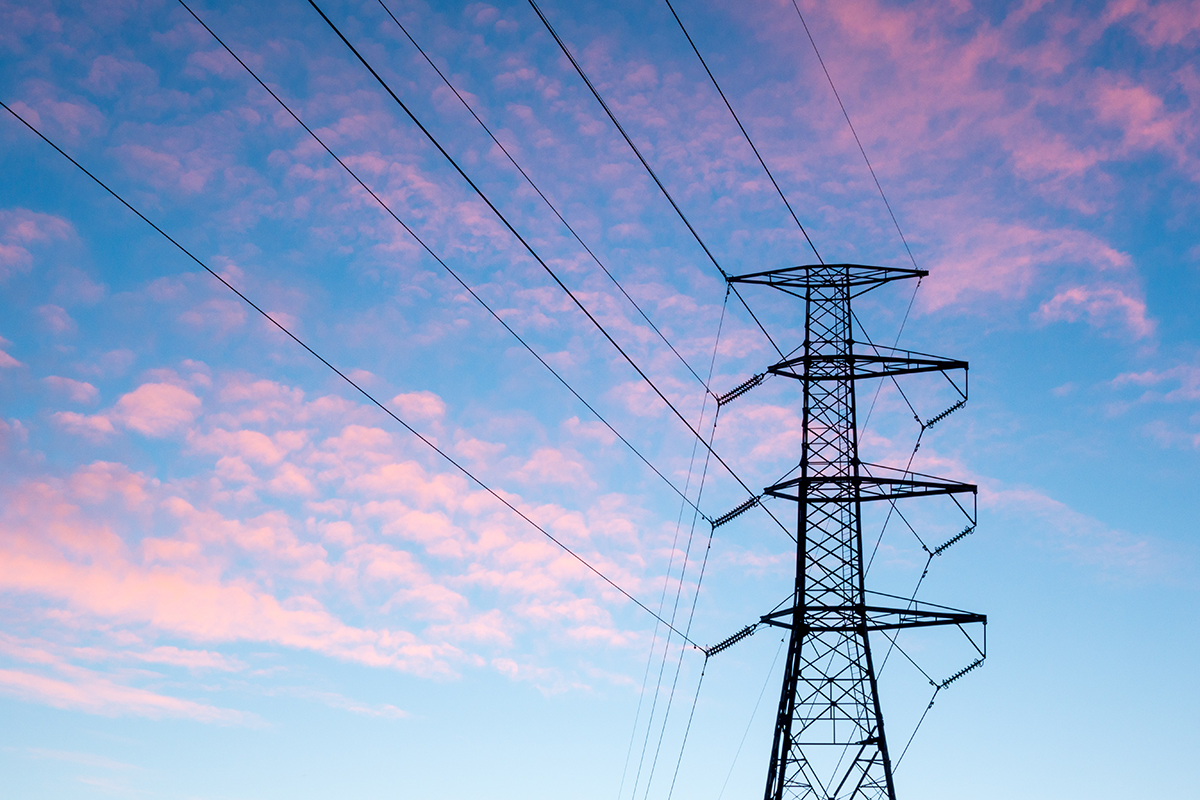
Energy Transmission & Distribution
The transportation of electricity from power generation sources to consumers uses a network of high-voltage lines.
Aluminium is a preferred metal for these transmission cables and wiring due to its lightweight nature and excellent conductivity.
Bauxite Processing
Aluminium smelting is the method used to extract pure aluminium from alumina (aluminium oxide) via the Hall-Héroult process. This involves dissolving alumina in molten cryolite and applying a strong electric current at elevated temperatures (approximately 950°C) to separate the molten aluminium.